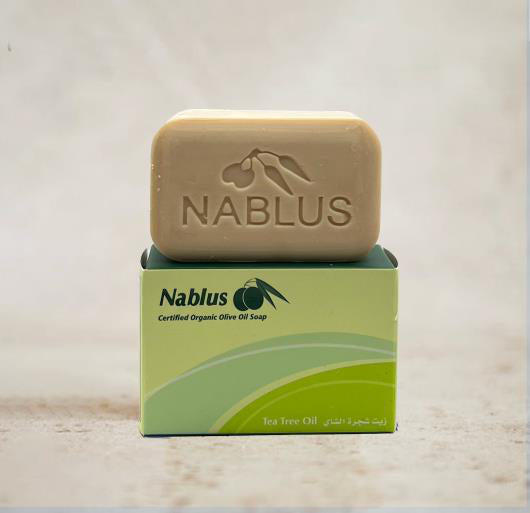
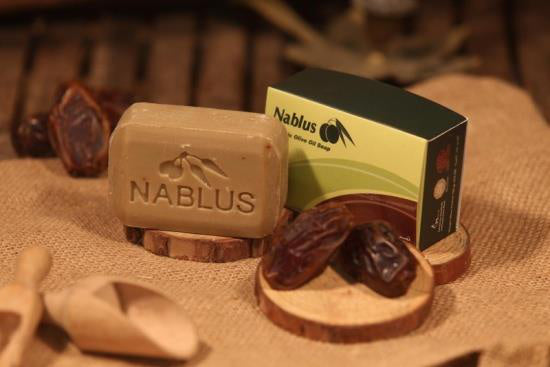
Three ingredients.
Four centuries.
Olive oil, water, alkali. Cooked in copper vats in Nablus, then cured for months. Nothing else.
Ingredients, and that is the entire list. Olive oil, water, and alkali.
Days in an open copper vat before the paste is poured.
The year Nablus began making soap this way.

Nablus, Palestine
A soap that is cooked, not poured
Most soap on a shelf is poured cold into a mould and boxed within the week. This one is cooked. Olive oil pressed in the surrounding hills goes into an open copper vat with water and alkali, and it is stirred over heat for about eight days until the soapmaker judges it ready by hand.
What comes out is plain. No colour, no fragrance, no palm oil, no hardening agents. It smells faintly of olives and nothing else, and it is gentle enough that families here have washed newborns with it for generations.
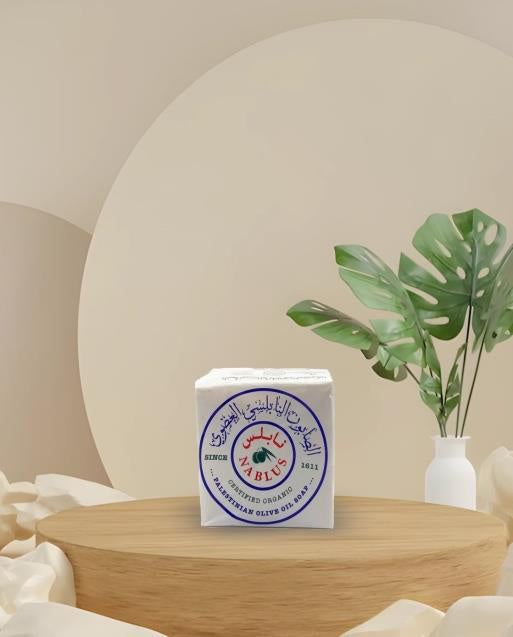
Zaituny bars are made for us by the Palestine Nablus Soap and Cosmetics Company in the Nablus Industrial Zone. The 1611 date belongs to the city's soap trade, not to Zaituny.
How a bar takes a year
Press
First-press olive oil comes in from the groves on the hills around the city.
Cook
Oil, water, and alkali are cooked together in an open copper vat for roughly eight days, stirred and judged by hand rather than by thermometer.
Pour and cut
The hot paste is poured across a lined floor, left to set, then scored and cut into cubes by hand.
Cure
Cubes are stacked into tananir, open towers built so air passes through every bar. They stand there for three months to a year, hardening and losing water.
Stamp and wrap
Each cured bar is stamped with the maker's seal and wrapped in paper by hand.
The rest of the range
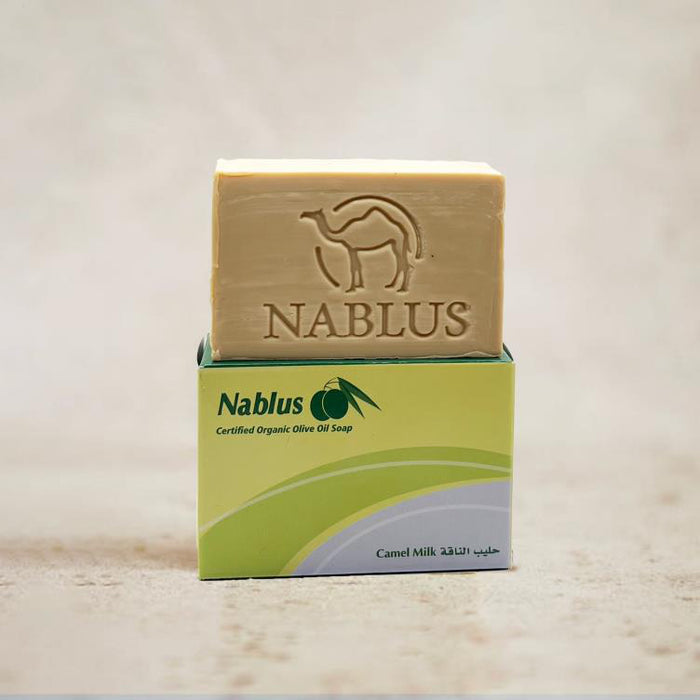
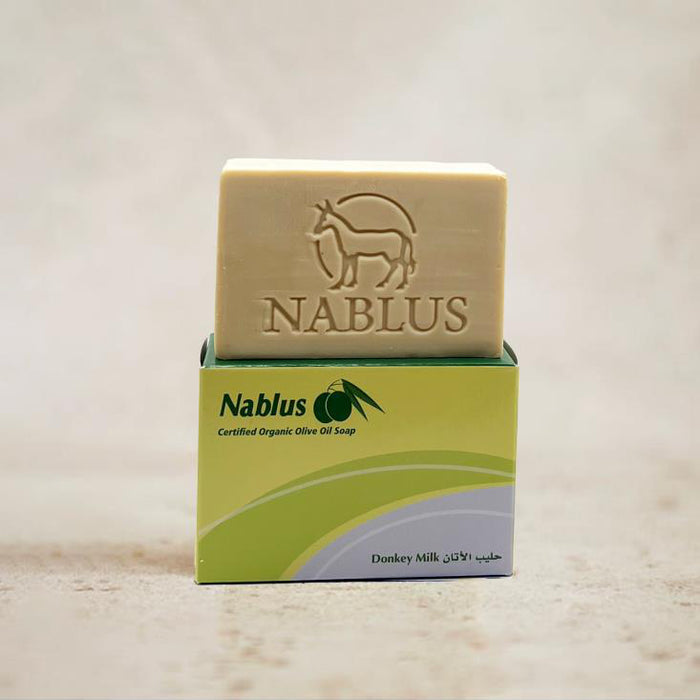
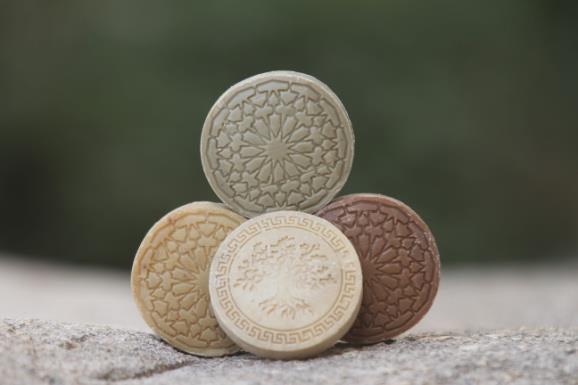
24 soaps, all built on the same base.